About Diffused Editor
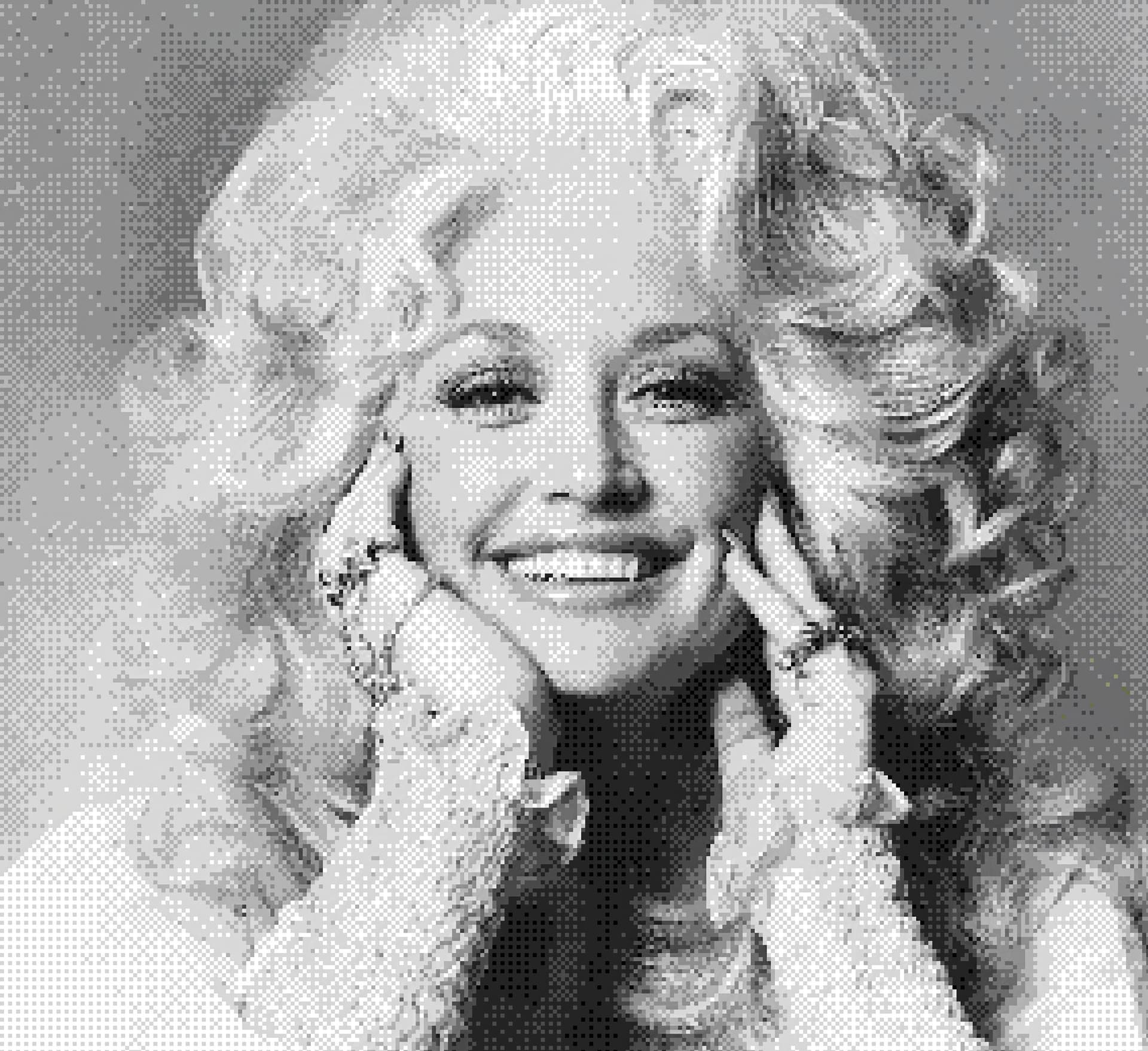
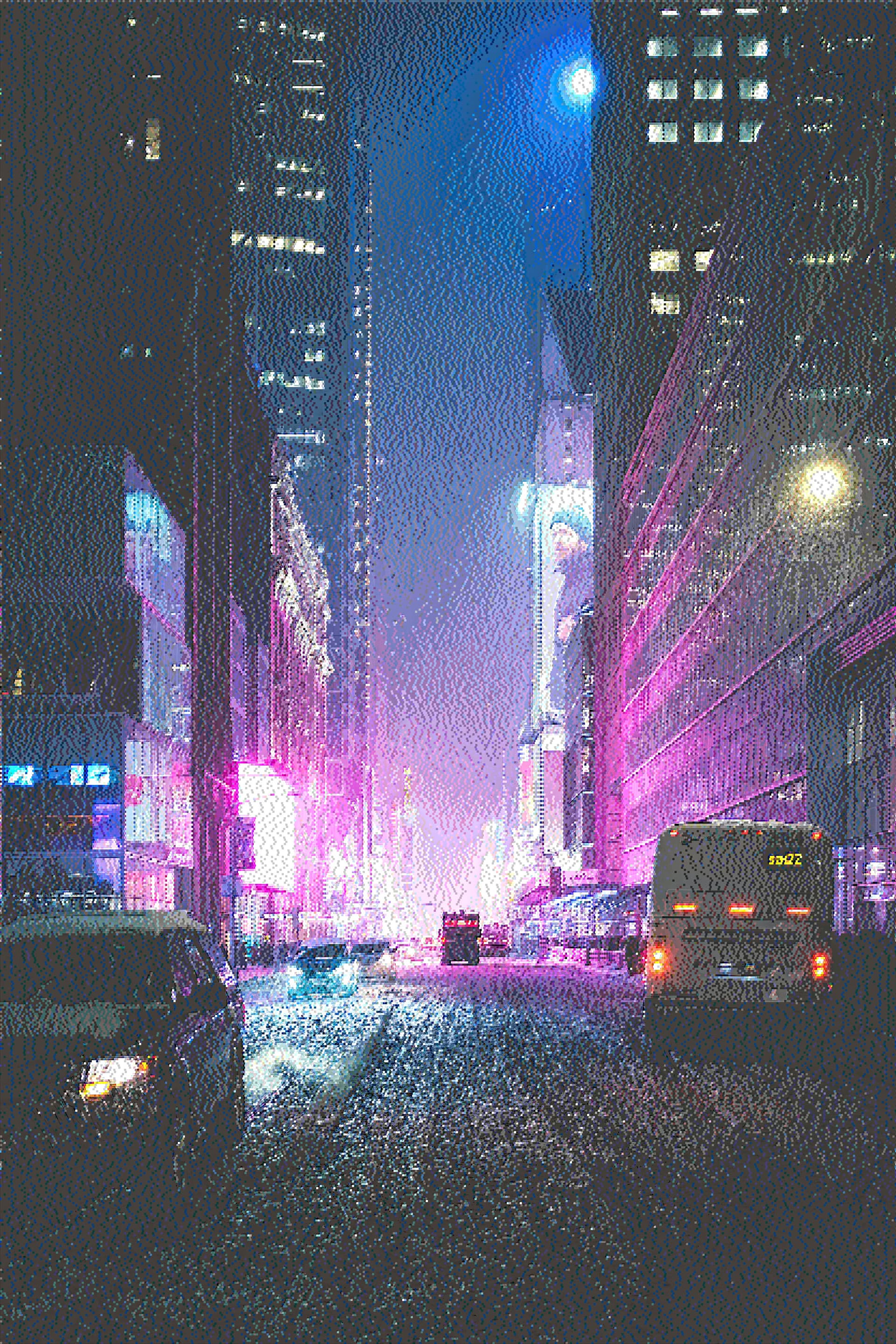
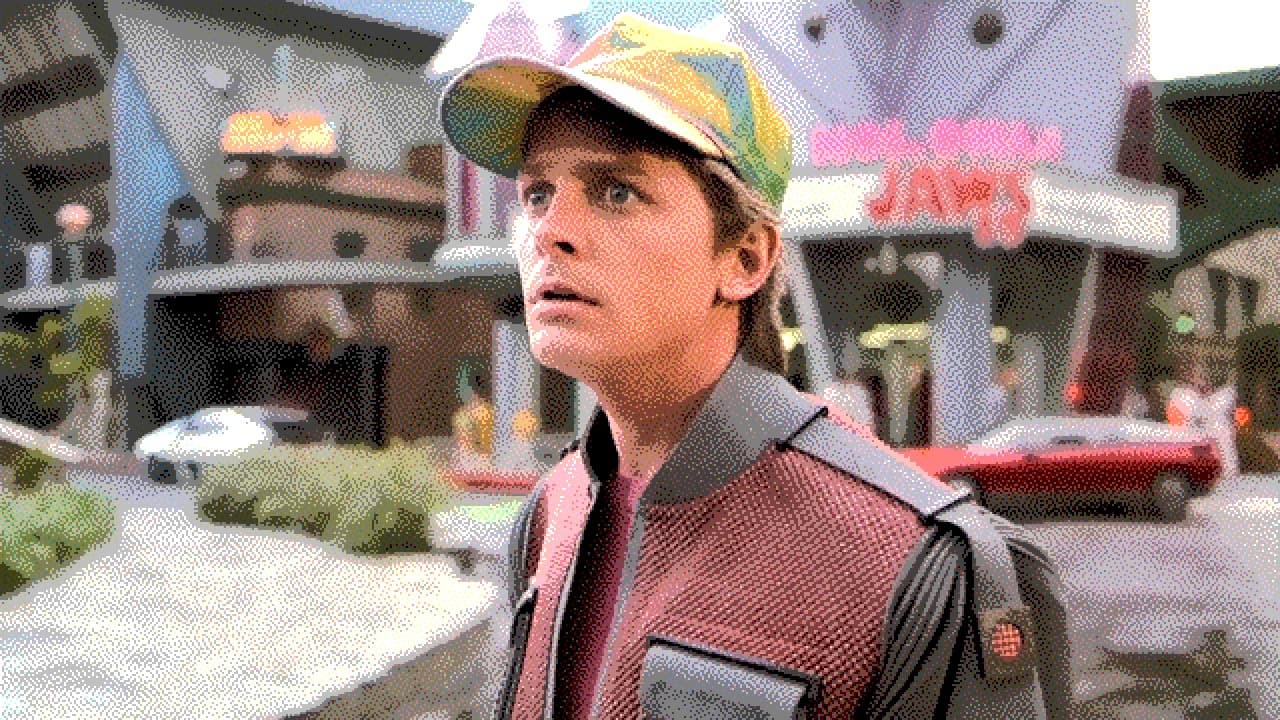
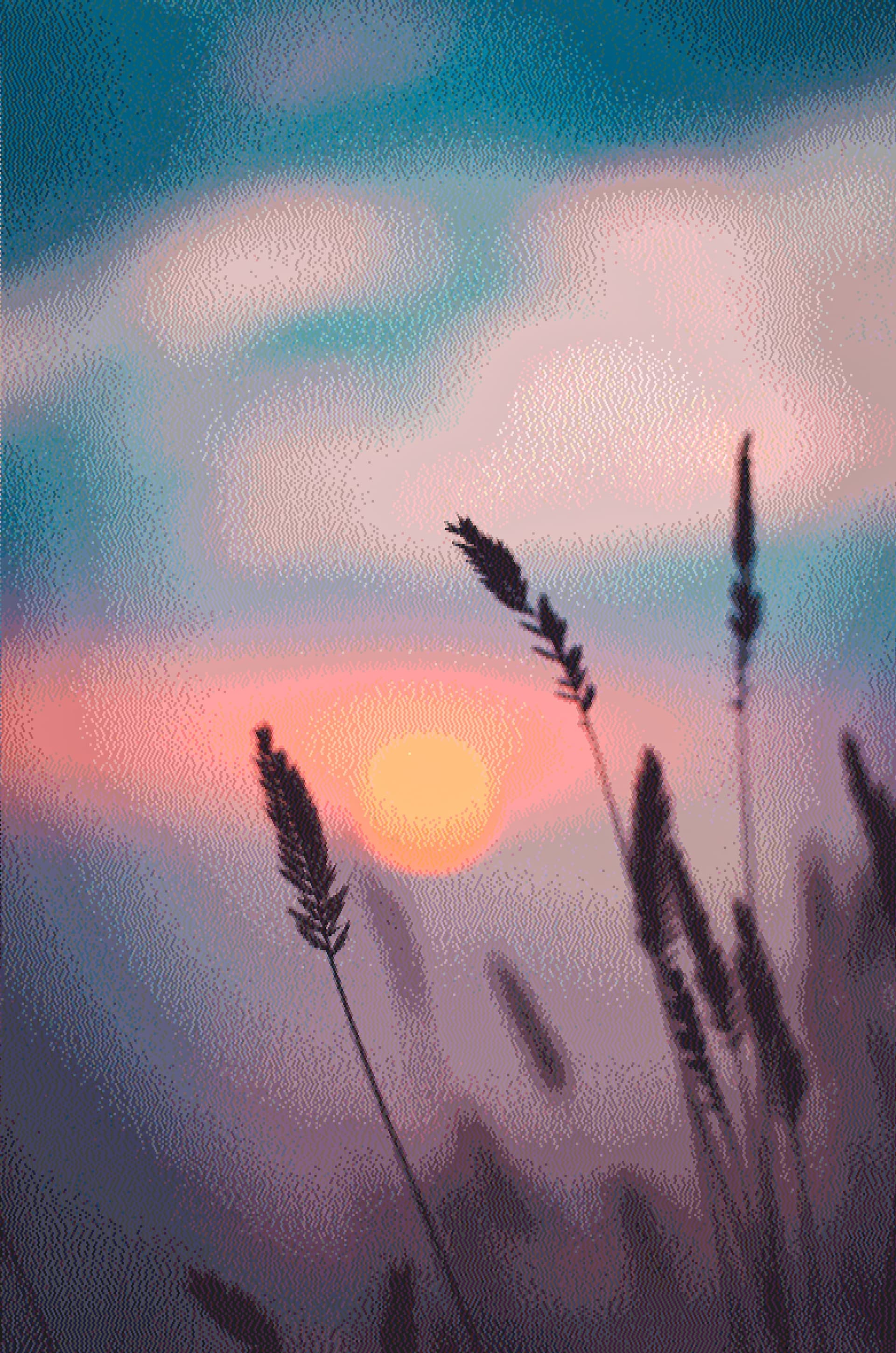
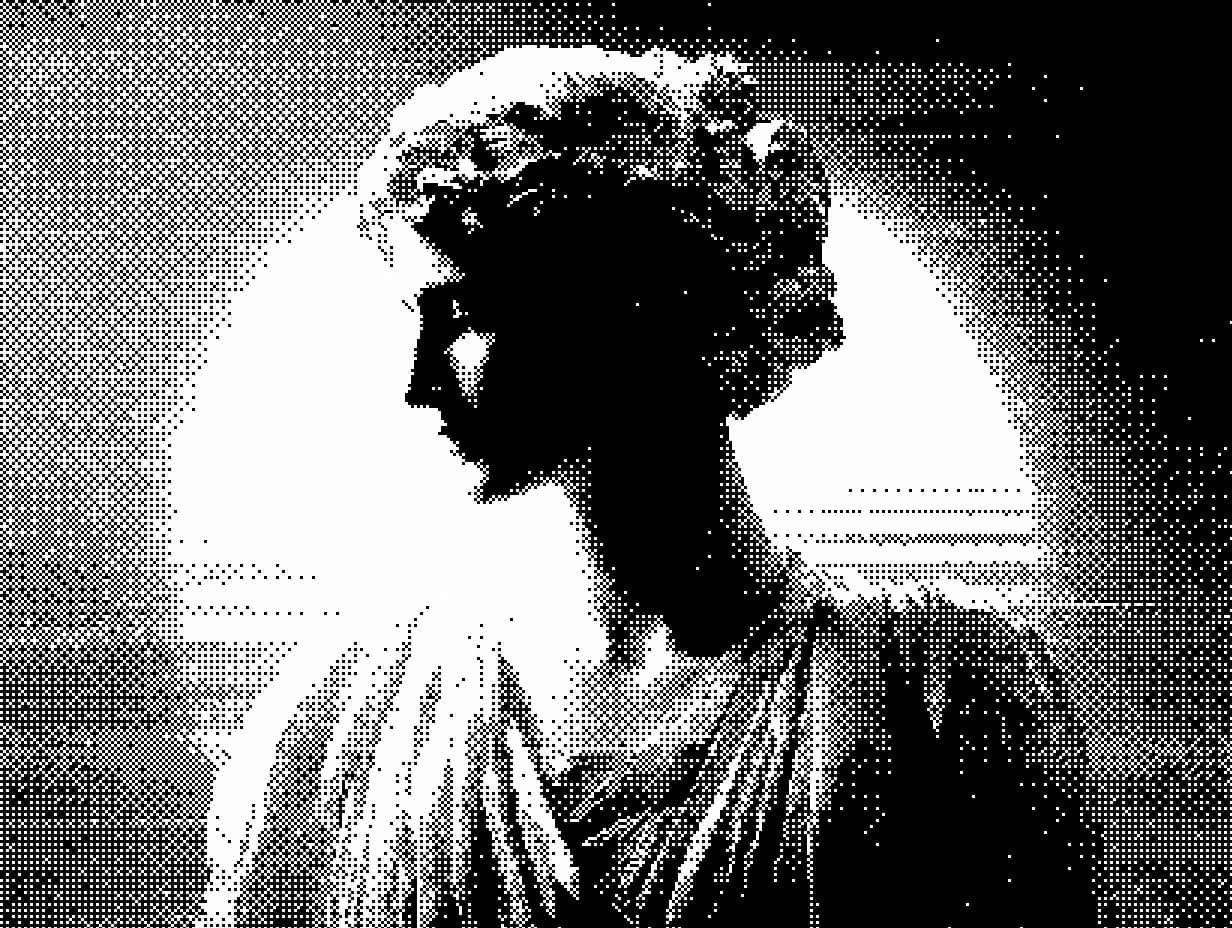
Diffused Editor is a professional, browser-based image processing application that applies advanced dithering algorithms to your photographs and graphics. Dithering is an image processing technique that reduces the number of colors in an image while maintaining visual fidelity through strategic pixel patterns. This creates distinctive retro, halftone, and artistic effects popular in vintage computing, pixel art, and modern graphic design.
What is Image Dithering?
Image dithering is a form of color quantization that uses patterns of pixels to simulate colors and shades not present in a reduced color palette. Originally developed for early computers and printers with limited color capabilities, dithering has evolved into a powerful artistic technique. Modern applications include creating retro aesthetics, reducing file sizes, generating halftone printing effects, and producing distinctive visual styles for digital art, game graphics, and web design.
Why Choose This Dithering Tool?
- 11 Professional Algorithms: Floyd-Steinberg, Atkinson (retro Mac), Ordered Bayer matrix, Blue Noise (Void-and-Cluster), Sierra, Two-Row Sierra, Burkes, Stucki, Jarvis-Judice-Ninke, Sierra Lite, and Diffusion Dots bitmap style
- Auto-Tune: One click analyses your image and automatically selects the best algorithm and settings — no guesswork needed
- Quick Presets: One-click starting points with live thumbnail previews generated from your actual image, so you can see the result before applying
- 7 Curated Retro Palettes: Authentic Game Boy, Commodore 64, CGA, NES (16 colors), Game Boy Pocket, Sepia, and Mac Plus palettes — or auto-extract an optimal palette from your image
- A/B Comparison: Drag a divider across the canvas to compare the original and dithered result side-by-side at any zoom level
- Complete Privacy: All processing happens in your browser. Your images never leave your device and are never uploaded to any server
- Advanced Controls: Tabbed inspector with adjustable palette size (2–64 colors), intensity (0–300%), threshold (0–255) with histogram, pattern size (1–8×), brightness, contrast, and saturation
- Professional Quality: LAB color space for perceptual color matching, smart median-cut palette extraction, float-precision error diffusion, and a Web Worker so the UI stays smooth during heavy processing
- Export Anywhere: Download as PNG, JPEG, or WebP. Free low-res (50%) or paid full-resolution HQ export
- Mobile-Friendly: Fully responsive — works on phones and tablets with touch, pinch-to-zoom, and all controls accessible
- Works Offline: After the initial load, the application functions completely offline
Dithering Algorithms Explained
Floyd-Steinberg Error Diffusion
The most widely used dithering algorithm, Floyd-Steinberg distributes quantization error to neighboring pixels in a 4-pixel pattern. It produces natural, balanced results ideal for photographs and detailed images. This algorithm preserves gradients well and creates organic patterns without visible structure. Best for: Photographs, portraits, realistic images, general-purpose dithering.
Atkinson Dithering
Developed by Apple engineer Bill Atkinson for the original Macintosh, this algorithm distributes only 6/8 of the quantization error, creating lighter, airier patterns. It produces a distinctive retro aesthetic associated with early Mac graphics and HyperCard. Best for: Vintage computing aesthetics, retro artwork, high-key images, illustrations, nostalgic effects.
Ordered (Bayer Matrix) Dithering
Uses an 8×8 repeating threshold matrix to create distinctive geometric patterns. This algorithm produces a regular halftone-like appearance reminiscent of newspaper printing and comic books. The patterns are immediately recognizable and highly stylized. Best for: Poster art, comic book effects, retro printing aesthetics, geometric patterns, pop art.
Sierra Algorithms (Sierra, Two-Row Sierra)
A family of error diffusion algorithms that distribute quantization error across wider patterns than Floyd-Steinberg. Sierra uses 10 pixels across 3 rows, while Two-Row Sierra uses 7 pixels across 2 rows. These create slightly different textures with varying degrees of detail preservation. Best for: Detailed images requiring fine texture, landscapes, complex scenes.
Burkes Dithering
Similar to Sierra but with different error distribution weights. Burkes emphasizes forward error propagation, creating distinctive diagonal patterns in smooth gradients. It produces a unique aesthetic between Floyd-Steinberg and Sierra. Best for: Experimental effects, unique textures, gradient-heavy images.
Jarvis-Judice-Ninke
One of the widest error diffusion algorithms, distributing error to 12 neighboring pixels across 3 rows. This creates very smooth transitions and excellent gradient reproduction at the cost of slightly less detail preservation. Best for: Images with large smooth areas, skies, gradient backgrounds, subtle effects.
Blue Noise Dithering
Unlike ordered dithering, which uses a fixed repeating matrix, Blue Noise uses a pre-generated Void-and-Cluster noise tile with energy concentrated at high frequencies. The result is a random-looking, grain-like pattern with no visible structure or banding — closer to analog film grain than a computer pattern. Best for: Natural, organic textures; avoiding visible halftone grids; photographic realism with a retro feel.
Stucki Dithering
A high-quality error diffusion algorithm that distributes quantization error across 12 neighboring pixels in three rows using carefully tuned weights. Similar to Jarvis-Judice-Ninke but with slightly different coefficients, producing very smooth gradients with excellent detail retention and minimal noise. Best for: High-fidelity photographic dithering, smooth gradients, subtle tonal work.
Sierra Lite
A lightweight, two-pixel variant of the Sierra algorithm. It distributes error to only two forward neighbors rather than Sierra's ten, making it significantly faster while still producing pleasing results. The reduced error spread creates slightly sharper, higher-contrast output than full Sierra. Best for: Quick results, performance-sensitive use cases, high-contrast line art, and images where a sharper dither texture is desired.
Diffusion Dots (Bitmap Style)
A hybrid algorithm combining error diffusion with circular dot patterns. It creates an authentic bitmap halftone printing aesthetic with visible dots, similar to traditional newspaper or magazine printing. Best for: Halftone printing effects, newspaper aesthetics, comic book artwork, retro magazine looks.
Technical Details
The dithering engine is built with vanilla JavaScript and HTML5 Canvas — no framework, no dependencies. All heavy processing runs in a dedicated Web Worker so the UI stays responsive during large renders. The engine implements LAB color space conversion for perceptual color matching (colors as humans see them, not as computers measure them), smart median-cut quantization to extract optimal palettes from each image's actual pixel data, float-precision error buffers for accurate error propagation, and a quantized RGB-to-palette lookup table (32,768 pre-computed entries) that eliminates per-pixel LAB conversions for dramatically faster processing.
The editor interface is a unified CSS Grid workspace: a toolbar with Auto-Tune and zoom controls, a canvas stage with A/B drag-comparison divider, a tabbed inspector (Style / Color / Adjust) for progressive disclosure of controls, and a sticky footer with format selector and download buttons. The design is fully responsive — all controls are accessible on mobile, tablet, and desktop without hidden panels or swipe-based drawers.
The application requires a modern web browser with JavaScript and HTML5 Canvas support (Chrome 90+, Firefox 88+, Safari 14+, Edge 90+).
Privacy Guarantee: Your images are processed entirely in your browser using JavaScript. No image data is ever transmitted to any server, stored in any database, or shared with any third party. The application works completely offline after the initial page load. This ensures absolute privacy and security for your creative work.